
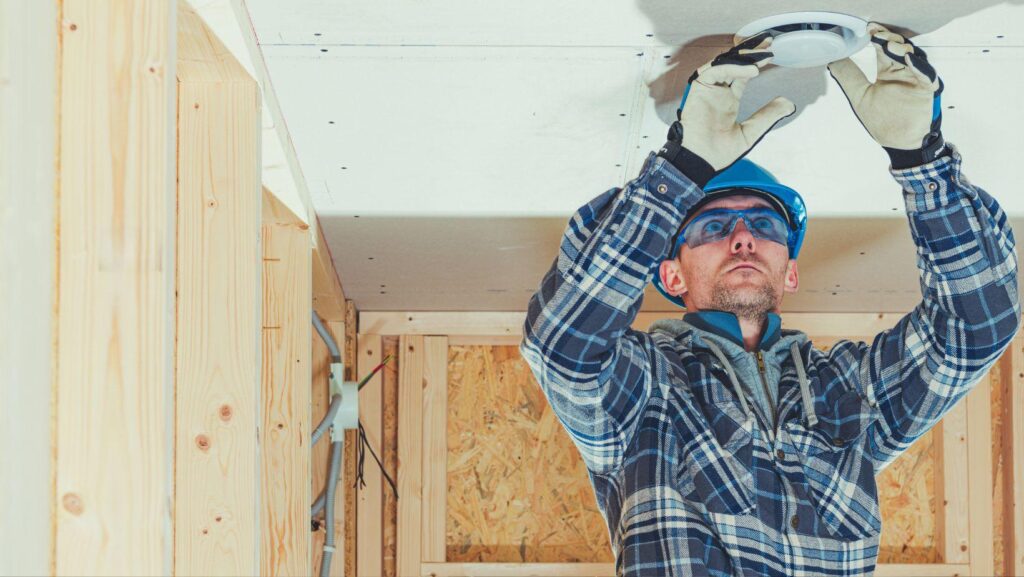
Electrical work is one of the most important parts of any renovation, whether upgrading an older property, installing new lighting, rewiring a kitchen, or adding power to a garage workshop. Because electrical projects can involve sparks, heat, arc risks, and hidden fire hazards, many qualified electricians and tradespeople rely on flame retardant protective clothing when working in higher-risk environments.
Why Electrical Safety Should Never Be Overlooked
Electricity is one of the few renovation risks that is not always visible. A wall may look perfectly safe, but behind it there may be outdated wiring, overloaded circuits, or poorly completed previous repairs.
Common electrical renovation tasks include:
-
Replacing old wiring
-
Installing new sockets
-
Upgrading fuse boards
-
Adding outdoor lighting
-
Rewiring kitchens or bathrooms
-
Connecting garden offices or workshops
These jobs require knowledge, precision, and proper safety procedures.
Older Homes Often Carry Hidden Risks
Older properties can be especially challenging during renovation. Wiring standards may have changed significantly since the home was built, and previous owners may have completed unsafe repairs.
Warning signs of electrical issues include:
-
Flickering lights
-
Warm sockets
-
Frequently tripping breakers
-
Burning smells
-
Buzzing switches
-
Exposed or damaged cables
If any of these signs appear, a qualified electrician should inspect the system before further renovation work continues.
Why Professional Electricians Matter
DIY is useful for many home improvement projects, but electrical work is different. Mistakes can cause shocks, fires, damaged appliances, and serious long-term safety problems.
Qualified electricians understand how to:
-
Isolate power correctly
-
Test circuits safely
-
Follow local electrical regulations
-
Install wiring to current standards
-
Identify hidden hazards
Hiring a professional may cost more initially, but it protects both the property and the people living in it.
Electrical Work in Kitchens and Bathrooms
Kitchens and bathrooms require particular care because they combine electricity with water, heat, and heavy appliance use.
In kitchens, electricians may need to plan circuits for ovens, hobs, dishwashers, extractor fans, refrigerators, and lighting. In bathrooms, lighting, ventilation, heated towel rails, and shaver sockets must be installed safely within strict zones.
These rooms should always be handled carefully because moisture increases risk.
Fire Prevention During Renovations
Electrical fires often begin because of overloaded circuits, faulty installations, damaged cables, or poor-quality fittings. During renovations, fire prevention should be built into the planning stage.
Good practices include:
-
Avoiding overloaded extension leads
-
Keeping cables away from sharp materials
-
Using properly rated fittings
-
Checking old wiring before covering walls
-
Keeping dust away from electrical equipment
Fire safety is not just about responding to emergencies it is about preventing them.
Safety Clothing and Worksite Preparation
For tradespeople working in electrical environments, clothing and equipment should match the level of risk. Alongside protective clothing, electricians may use insulated tools, gloves, face protection, and safety footwear.
The work area should also be clear, dry, and well-lit. Other trades should be made aware when electrical work is active, especially during larger renovations where builders, plumbers, and decorators may be working nearby.
Final Thoughts
Electrical renovations are essential for making homes safer, more efficient, and better suited to modern living. However, they should always be treated with care and respect.
With proper planning, qualified tradespeople, and appropriate safety measures, electrical upgrades can be completed safely while supporting the long-term value and comfort of the home.