
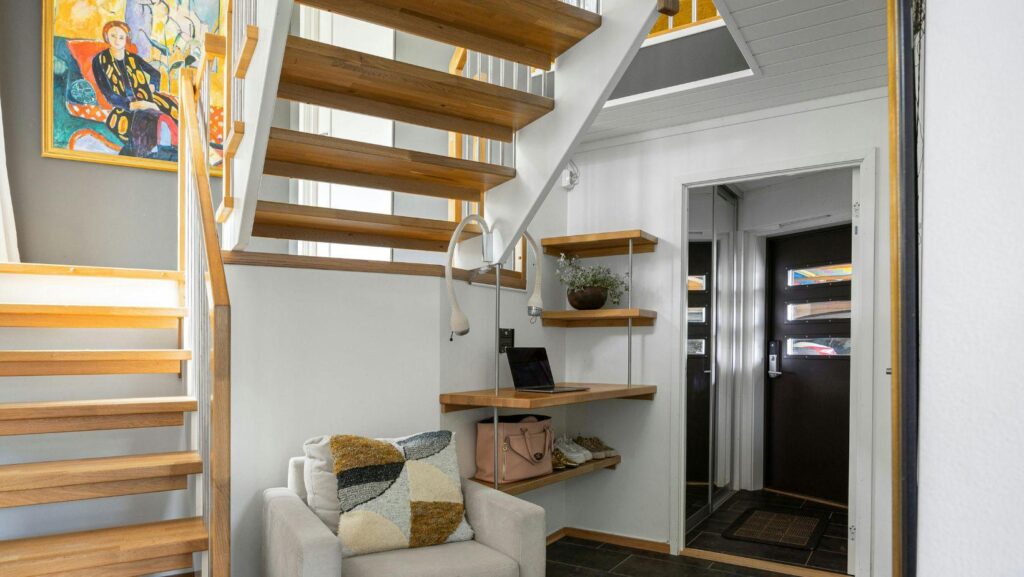
The problem usually shows up in small ways. Frames lean behind a sofa. Seasonal décor takes over a closet shelf. A hobby table slowly becomes a catchall for supplies, cords, and half-finished projects. The space still looks fine from a distance, but it stops functioning with any discipline.
That is where home organization gets more serious than simple tidying. For households that care about art, display styling, and practical space planning, the real challenge is not owning too much. It is keeping the useful pieces accessible without letting them spread into every room.
A good system protects the items that matter, keeps living areas usable, and reduces the constant shuffle of moving things from one corner to another. That shuffle is operational drag. It wastes time, creates stress, and makes every room feel smaller than it is.
The best setups are rarely dramatic. They are quietly consistent. When each object has a place that matches how often it is used and how sensitive it is, the home starts to feel calmer and more intentional.
Why the storage decision changes the whole house
When a home holds art, décor, and working materials at the same time, clutter becomes more than visual noise. It affects how often pieces get used, whether fragile items are damaged, and how quickly the next project can start. A room that cannot reset easily becomes a room people avoid.
There is also a business-minded side to this. Good space planning lowers liability inside the home. Fewer crowded walkways. Fewer stacked frames in unstable piles. Less chance of moisture, dents, or accidental breakage. That matters when the items are valuable, sentimental, or both.
The pressure point is continuity. A household with a clear system can host, work, decorate, and clean without rebuilding the room every time. That is the difference between a home that looks organized and one that actually stays organized under real use.
This also helps with decision-making. When storage is predictable, people spend less time debating where something should go and more time actually using it. That matters in busy homes where rooms may need to function as a gallery wall, a project zone, and a family landing area all in the same week.
What to sort out before the next pile grows
Before anything gets boxed, it helps to decide what kind of space each item needs. Not all household overflow should be treated the same way. Some objects are meant for frequent rotation, while others need long-term protection and occasional access only. The goal is to avoid overcommitting prime space to things that do not truly earn it.
Match the item to its real use:
A framed print waiting for a wall does not need the same treatment as holiday décor or painting supplies. Group items by how often they move, how sensitive they are, and how quickly you need to reach them. That keeps the most active pieces out of deep storage and avoids unnecessary handling.
For creative homes, the useful split is often simple: display-ready pieces, seasonal pieces, and project materials. Display-ready means easy to rotate. Seasonal means protected but not urgent. Project materials need access and a clear return path after use.
It can help to think in terms of workflow. If an item is part of a monthly display refresh, it should be stored near the zones where it is used. If it comes out once or twice a year, it can live farther away as long as it is labeled and protected. That kind of logic keeps the home from becoming overstuffed with things that only need occasional attention.
Think about conditions, not just square footage:
A dry, stable environment matters more than people admit. Artwork, paper goods, fabric, and certain finishes can all suffer if temperature swings or moisture are ignored. The wrong room can quietly ruin the right item.
This is where many households make an operational blind spot: they plan around convenience, but not around preservation. A box placed near a vent or against an exterior wall may look harmless. Over time, it can warp paper, fade finishes, or invite musty smells that are hard to reverse.
Three questions help keep the judgment grounded:
- How often will this be opened?
- What would damage it fastest?
- Will the space still work in a different season?
Do not turn storage into another junk room:
The fastest way to lose control is to store mixed items with no labeling logic and no end date. One box of holiday décor turns into five. A few spare lamps become a permanent holding zone. Then nobody remembers what is where.
The fix is not perfection. It is discipline. Every container should answer one question: what category does this support? If it cannot answer that quickly, it is probably creating more work than value. That is where trust in the system starts to break down.
A practical limit helps here. If a container cannot be identified in seconds, the contents likely need to be separated further or reduced. Clear labeling, like-for-like grouping, and a simple review date can prevent the slow drift into clutter that defeats the whole purpose of organizing.
A workable setup for rooms that need to do more than one job
Good organization is less about a perfect method and more about a repeatable one. The trick is to make the system easy enough that people will actually use it.
Start with a quick visual audit of each room. Notice what is permanently out, what is waiting to be displayed, and what keeps migrating from one surface to another. That snapshot tells you where the friction is coming from. This is usually where buyers start looking at W Robindale Rd heat-cool units NSA Storage more carefully in real-world conditions.
- Sort by function before sorting by sentiment. Start with what lives on display, what rotates seasonally, and what stays packed. This keeps important pieces from getting buried under low-value extras.
- Choose containers and placement for the item, not the shelf. Flat art needs a different layout than sculptural décor. Supplies need quick access. Fragile items need padding and limited stacking. Bad fits create damage and frustration.
- Assign a review cycle. A room that supports art and home use should be checked before major seasonal changes, not after a problem appears. If something has not been touched in a year, question whether it still deserves prime space.
The real payoff is a calmer operating rhythm
The best organized homes do not just look tidy for guests. They reduce decision fatigue. You know where the extra frames are. You know which décor belongs in rotation. You know what can be packed away without a second thought. That clarity makes the home easier to live in and easier to maintain.
There is a trade-off, though. Better organization sometimes means giving up the fantasy of keeping everything visible. Some pieces belong in storage so the room can breathe. That is not a downgrade. It is a practical choice that protects the space, the items, and the people using both.
The long-term benefit is that the home becomes more responsive. When plans change, you can rework a room quickly instead of spending an afternoon digging through mixed piles. That flexibility is especially useful in households where creative work, family life, and entertaining all share the same square footage.
In that sense, storage is less about hiding things and more about preserving options. It keeps décor from becoming clutter, keeps supplies from becoming obstacles, and keeps the home ready for whatever its next role may be.
A home that can reset is a home that can keep working
Creative households need more than attractive shelves and a few labeled bins. They need a system that respects the way items move through the home over time. That means thinking about access, protection, and room function together instead of as separate problems.
Once that habit is in place, the house gets quieter. Fewer last-minute searches. Fewer fragile items shoved into bad spots. Less friction when it is time to decorate, host, or start a new project. The space starts serving the work of the home instead of competing with it.
A room does not have to hold everything to feel complete. Sometimes the most artful choice is leaving enough breathing room for the items that truly deserve attention. That is what makes the whole home easier to live with day after day.