
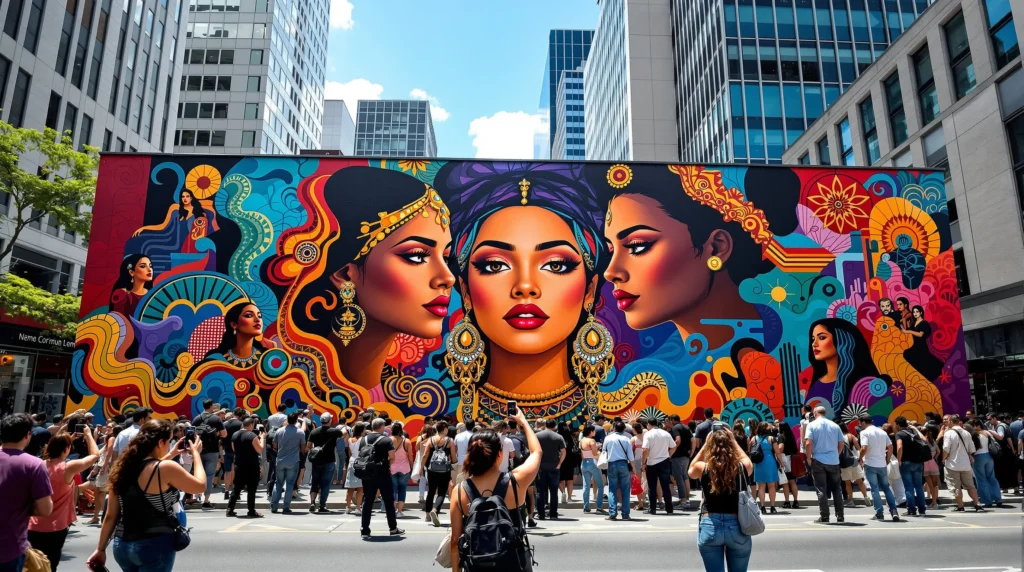
It’s 7 a.m. in Mexico City. The sun’s barely up, but a wall in La Roma already bursts with color. A woman in paint-splattered jeans stands on a ladder, brush in hand, coaxing a jaguar’s face from the concrete. The air smells like spray paint and fresh tortillas. This is mexican street art—raw, loud, and impossible to ignore. If you’ve ever walked these streets, you know: every block tells a story, and every mural is a shout, not a whisper.
Why Mexican Street Art Hits Different
Let’s get real. Mexican street art isn’t just pretty pictures on walls. It’s protest, pride, and poetry. It’s a living, breathing conversation between artists and their neighborhoods. If you’ve ever felt goosebumps staring at a mural, you’re not alone. These works grab you by the shoulders and say, “Look. Feel. Remember.”
Here’s why: Mexico’s history is painted in bold strokes. From Diego Rivera’s epic murals to the masked rebels of Chiapas, art here has always been about more than decoration. It’s about survival, identity, and hope. Mexican street art takes that tradition and blasts it onto city walls, buses, and even abandoned factories.
From Ancient Glyphs to Modern Murals
Street art in Mexico didn’t pop up overnight. It’s got roots deeper than a ceiba tree. The Maya and Aztecs covered temples with glyphs and images. Fast forward to the 20th century, and muralists like Rivera, Orozco, and Siqueiros turned public walls into history books. Today’s artists—think Saner, Paola Delfín, or Sego—carry that torch, but with spray cans and stencils.
Here’s the part nobody tells you: the best mexican street art isn’t always in museums or tourist spots. Sometimes it’s hidden in alleyways, or on the side of a taco stand. You might spot a skeleton in a luchador mask, or a woman with monarch butterfly wings. Each piece is a wink, a warning, or a welcome.
What Makes Mexican Street Art Unique?
- Color that stings your eyes: Neon pinks, electric blues, and golds that shimmer in the sun.
- Symbols with bite: Skulls, jaguars, corn, and hearts—each loaded with meaning.
- Stories you can feel: Murals about migration, love, loss, and resistance.
- Community first: Many artists work with neighbors, not just for them. Walls become meeting places, not just backdrops.
If you’re looking for art that plays it safe, this isn’t for you. Mexican street art is for people who want to feel something—joy, anger, pride, or even confusion. It’s messy, loud, and sometimes illegal. But it’s always honest.
Meet the Artists: Faces Behind the Walls
Saner: Masks and Magic
Saner’s murals pop up everywhere from Oaxaca to Berlin. His signature? Masked figures with wild, animal eyes. He once said he paints masks because “everyone hides something.” If you’ve ever felt like you’re wearing a mask, his work will hit home.
Paola Delfín: Women in Motion
Paola Delfín’s murals show women in swirling, dreamlike poses. She paints with a softness that feels almost like a whisper. Her work often appears in working-class neighborhoods, turning gray walls into places of beauty and strength.
Sego: Nature Unleashed
Sego’s creatures—half-insect, half-fantasy—crawl across buildings in Mexico City and beyond. He grew up in Oaxaca, surrounded by forests and myths. His art feels like a fever dream, but it’s rooted in the land and its stories.
Street Art as Protest and Healing
Here’s a secret: some of the most powerful mexican street art appears after tragedy. When 43 students disappeared in Ayotzinapa, artists covered walls with their faces and names. After earthquakes, murals sprang up overnight, offering hope and solidarity. Art here isn’t just for looking—it’s for fighting back, for grieving, for remembering.
If you’ve ever lost someone or felt powerless, you’ll see yourself in these walls. They don’t just decorate—they demand justice.
How to Experience Mexican Street Art
Ready to see it for yourself? Here’s how:
- Walk, don’t drive. The best murals hide in side streets and alleys. Lace up your shoes and wander.
- Look up. Some of the wildest art climbs rooftops and bridges.
- Ask locals. Taxi drivers, shopkeepers, and kids know where the newest pieces are.
- Respect the art. Don’t tag over murals or peel off posters. These walls are sacred to someone.
- Bring a camera, but don’t just snap and go. Take a moment. Let the colors sink in. Ask yourself what the artist wanted you to feel.
Here’s the truth: you don’t need a guidebook. Just curiosity and a willingness to get a little lost.
What’s Next for Mexican Street Art?
Street art in Mexico keeps changing. New artists pop up every year, blending graffiti, indigenous symbols, and even digital projections. Some murals last for years; others vanish overnight. The only constant? Change itself.
If you’re an artist, a traveler, or just someone who loves stories, mexican street art offers a wild ride. It’s not always comfortable, but it’s never boring. The next time you see a wall covered in color, stop. Ask yourself: what’s this wall trying to say? And what’s your answer?
Final Thoughts: Why It Matters
Mexican street art isn’t just decoration. It’s a heartbeat, a protest, a love letter to the city. It’s for anyone who’s ever felt invisible, or wanted to shout their story to the world. If you’re looking for art that’s alive, that argues and laughs and cries, you’ll find it here—on the walls, in the alleys, and in the hearts of the people who call Mexico home.
So next time you’re in Mexico, look for the color. Listen for the stories. And remember: every wall has something to say, if you’re willing to listen.