

Small rooms are tricky to heat. Big old radiators steal space and feel clumsy. Many people miss that traditional radiators have evolved, keeping classic style while fitting tight areas.
In this guide, you will see vertical radiators, cheap designer radiators from Planet Radiators, and slimline options that slip into narrow gaps. We will also cover energy savings through better insulation and smart positioning near a window.
With a few practical choices, your room stays warm and looks tidy. Keep reading to see how timeless looks meet modern space-saving ideas.
Key Takeaways
- Vertical models and slimline units free up floor space while delivering solid heat output measured in British thermal units.
- Decorative cast iron and steel designs in colours like glossy black or matt white bring heritage style with durable finishes.
- Place radiators under windows or clear of doors for stronger warmth; measure width, height, and depth before buying.
- Aluminium heats up fast for lower bills; cast iron holds heat longer after the central heating switches off.
- Follow Gas Safe rules for any gas work; check wall strength before fitting heavier column radiators or large panel types.
Vertical Radiators
Vertical radiators pack heat into a narrow footprint. Tall and slim, they climb the wall and leave more room for sofas, desks, and side tables.
Traditional column radiators in a vertical layout work well in corners and tight alcoves. Their multiple columns create a large surface area, which boosts warmth without eating space. Even traditional radiators in white look fresh against bold paint or soft wallpaper.
Fit a vertical unit under or beside a window to fight draughts. This spot encourages steady airflow, which helps heat circulate. A British thermal unit, or BTU, is the measure of heat output, so check the BTU rating matches your room size. If you use combi boilers, these upright designs also leave more wall clear for pipes and ventilation.
The UK market offers many sizes and styles, from flat-panel to three-column designs. Pick a model that covers your BTU needs and keeps the floor clear. Your room will feel bigger and warmer at the same time.
Decorative Radiators
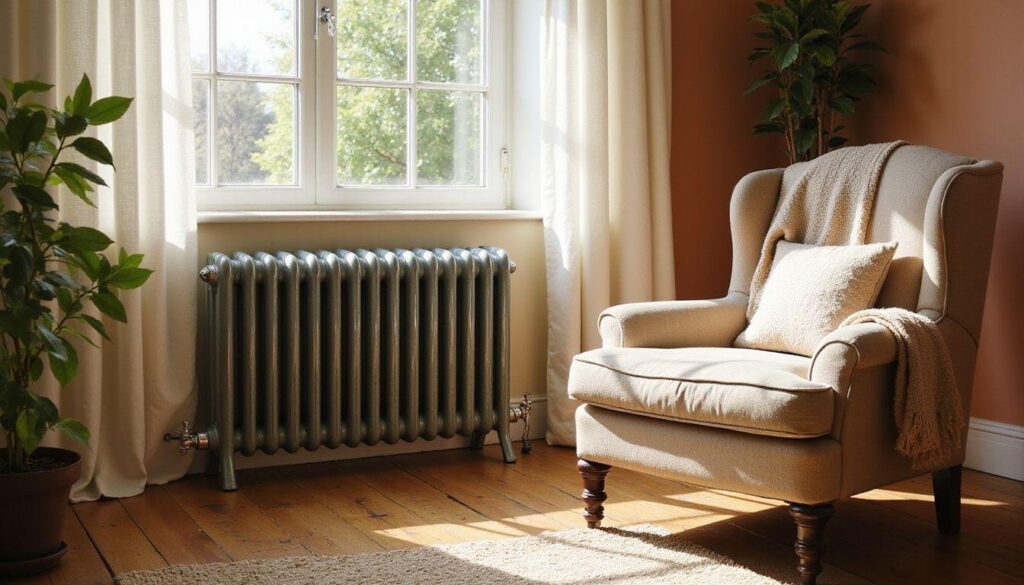
Traditional radiators UK are both practical and beautiful. They can anchor a small room the way a good rug does. If you want colour, traditional bathroom radiators now come in deep navy, soft cream, or classic white.
Ornate scrollwork, crosshead valve handles, and shaped end caps add character that plain models cannot copy. Cast iron traditional style radiators suit period details like picture rails and patterned tile floors. Even a tiny cloakroom can feel special with the right piece on the wall.
Finish choices matter. Glossy black looks dramatic; aged brass or matt powder coating adds a soft heritage vibe while guarding against wear. Place a decorative unit under a window or near a towel rail for both function and flair. Guests will notice.
A beautiful radiator warms more than air—it warms hearts, says London designer Sarah Beckett.
Good looks aside, pick a size with enough BTUs to heat the room properly. Beauty only works if you are warm.
Compact and Slimline Models
Space in small rooms can feel like the morning rush on the tube. Compact and slimline models slide under sills, behind desks, or along narrow halls without getting in the way.
High output per square metre means a 400 mm wide panel can heat a snug office or box bedroom. Clean edges and soft corners blend into modern flats and older terraces alike. If you prefer a classic face, choose short column radiators with fewer sections.
If you want more style for less money, check cheap designer radiators from Planet Radiators. You get tidy proportions, decent BTU output, and finishes that match modern paint colours.
- Best spots: under window ledges, beside wardrobes, end of corridors, behind dining chairs.
- Handy tip: pick angled valves so pipes sit close to the skirting and save a few extra centimetres.
Install once, then forget about cold corners. The right slimline piece quietly does its job every day.
Materials and Finishes
Different materials change how heat feels. Cast iron warms up slowly but holds heat long after the heating system turns off. It is great for steady comfort in sitting rooms.
Steel radiators come in many shapes and colours, from flat panels to two- and three-column bodies. They are a safe bet for most small spaces. Aluminium heats up fast and cools down fast, which helps with energy savings if you only heat rooms when used.
Finishes do more than look good. Matt paint hides fingerprints from curious kids or pets. Glossy surfaces reflect light which helps a tight room feel larger. Powder coating is a tough baked finish that resists chips and scuffs in busy homes.
- For busy family rooms: matt powder-coated steel.
- For period style and gentle warmth: cast iron columns in soft white or antique brass.
- For quick heat in home offices: aluminium panels in light colours.
Choose what suits your routine. The best radiator is the one you barely notice because it simply works.
Installation Considerations
Good planning makes small rooms easier to heat and keeps the layout clean. A few checks save time and money later.
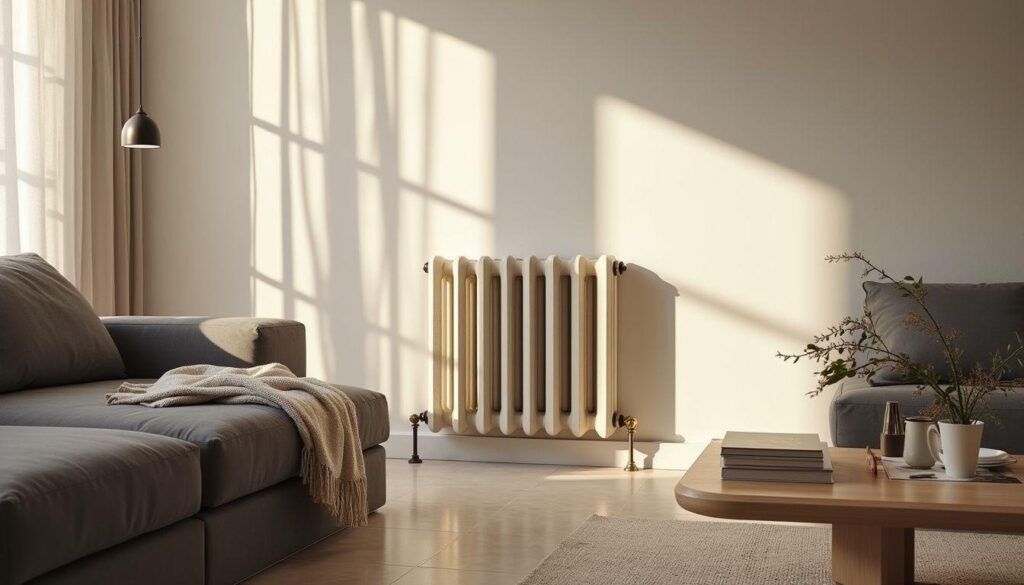
- Start with placement. Keep the unit clear of doors and heavy furniture so heat can flow across the room.
- Measure twice. Confirm width, height, and depth. In tight corners, even a few millimetres matter.
- Check wall strength. Solid walls handle cast iron and large steel panels better than weak stud walls.
- Pick the right valves. Angled valves tuck pipes closer to the wall; straight valves need a little more room.
- Think about furniture. A sofa pressed against a radiator blocks heat and wastes energy.
- Leave access. Keep at least 5 centimetres above and below for bleeding and cleaning.
- Use a Gas Safe registered engineer for any gas work, as UK law requires. Follow the manufacturer’s instructions for water pressure and bracket fixing.
Heavier column radiators may need extra brackets or floor stays. If in doubt, ask a professional to assess the wall and pipework first.
Conclusion
A smart radiator can transform a small room. Vertical designs protect floor space, decorative options add charm, and slimline panels tackle awkward corners. With the right material and finish, your heating feels steady and looks great.
Choose a size with the BTUs you need, fit it where air can move, and support it well. Add decent insulation to lock in heat and boost energy savings. Whether you pick traditional radiators or compact columns, you can stay warm without crowding your space or your budget.
FAQs
1. What makes traditional radiator designs suitable for small rooms?
Traditional radiators, like column heaters or cast-iron models, fit snugly against walls and under windows. Their compact shapes save space while still giving off plenty of warmth. You can tuck them into corners where bulky furniture would never squeeze in.
2. Can innovative features improve classic radiators for tight spaces?
Absolutely, yes! Many modern versions come with clever tricks up their sleeves; think vertical styles that climb the wall instead of sprawling outwards or slimline panels that barely stick out at all. Some even double as towel rails—handy if your socks are always cold.
3. How do I pick a radiator design to match my room’s style?
Start by looking at finishes and colours; glossy black, brushed steel, or even bright red if you fancy a pop of colour on rainy days. Shapes matter too—rounded edges soften sharp corners in boxy rooms while straight lines keep things neat when space is precious.
4. Are there energy-efficient options among traditional-style radiators for small areas?
Yes, indeed! Many updated classics use better materials and smart valves to cut down on wasted heat; they warm up fast but cool quickly once switched off so you’re not paying extra just to heat empty air behind the sofa.