
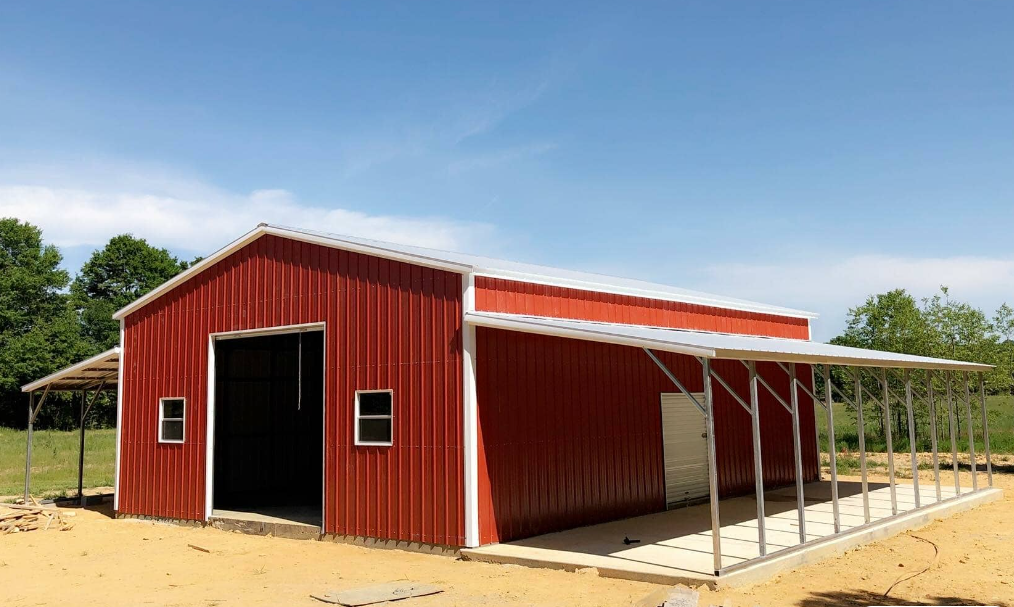
Modern farming is no longer just about land and labor—it’s about efficiency. From equipment management to storage, workflow, and long-term cost control, every decision impacts productivity and profitability. As agricultural operations evolve, more farmers are turning to steel buildings as a practical solution for improving daily efficiency. With engineered structures from companies like US Patriot Steel, farms can operate more smoothly, reduce downtime, and adapt to changing demands without constant rebuilding or maintenance.
Steel buildings are not just durable—they are designed to make farm operations faster, more organized, and more cost-effective.
Streamlined Equipment Storage and Access
Farm equipment has grown larger, more advanced, and more expensive. Tractors, combines, attachments, and utility vehicles require adequate space—not only for storage but also for easy access.
Steel buildings provide wide, clear-span interiors without interior columns, allowing equipment to move freely. Large doors and open layouts eliminate tight maneuvering, saving time during daily operations. Instead of constantly repositioning machinery or working around obstacles, farmers can access what they need quickly and efficiently.
This streamlined access becomes especially valuable during planting and harvest seasons, when time directly affects productivity.
Reduced Maintenance and Downtime
Traditional wooden structures require ongoing repairs—rot, warping, pest damage, and roof leaks can interrupt operations and increase costs. Every hour spent repairing a building is time taken away from farm work.
Steel buildings significantly reduce maintenance demands. They do not rot, crack, or attract insects, and they withstand harsh weather conditions without degrading. This reliability means fewer unexpected repairs and more consistent use of the space.
Over time, reduced maintenance leads to lower operational costs and more predictable planning.
Improved Storage Conditions for Crops and Materials
Proper storage is essential for preserving the quality of hay, feed, grain, and other agricultural materials. Exposure to moisture, heat, and poor ventilation can lead to spoilage, mold, and financial loss.
Steel buildings can be designed to maintain dry, controlled environments. Their tight construction prevents water intrusion, while ventilation systems can be added to regulate airflow. This helps preserve stored materials and reduces waste.
Better storage conditions translate directly into higher efficiency, as less product is lost and quality remains consistent.
Flexible Multi-Purpose Use
Farms rarely operate in a single function. A building used for equipment storage today may need to accommodate livestock, a workshop, or additional storage in the future.
Steel buildings are highly adaptable. Their open interiors allow farmers to reconfigure space as needed without major structural changes. A single building can serve multiple purposes—equipment storage, maintenance area, feed storage, or shelter—depending on seasonal needs.
This flexibility reduces the need for multiple structures and simplifies farm layout, making operations more efficient overall.
Better Workflow Across the Property
Efficiency on a farm depends on how easily people, equipment, and materials move between areas. Poorly placed or poorly designed buildings create bottlenecks and unnecessary travel time.
Steel buildings can be strategically positioned and designed to support workflow. Large access points, open layouts, and customizable dimensions allow farmers to create logical movement patterns. Equipment can move directly from storage to field access, and materials can be handled with fewer steps.
Even small improvements in layout can save significant time over the course of a season.
Energy Efficiency and Environmental Control
Temperature and environmental conditions affect both equipment and stored materials. Steel buildings can be insulated to maintain stable internal conditions, protecting machinery from extreme temperatures and reducing energy costs if climate control is used.
Reflective roofing and proper ventilation also help manage heat buildup, particularly in warmer climates. This creates a more comfortable environment for both workers and stored assets.
Energy efficiency contributes to long-term savings and supports more consistent working conditions.
Scalability for Growing Operations
As farms grow, their infrastructure must keep up. Steel buildings are designed with expansion in mind, making it easier to add new sections or extend existing structures.
Instead of replacing outdated buildings, farmers can expand what they already have. This scalability ensures that the farm’s infrastructure evolves alongside its operations, avoiding unnecessary disruption or cost.
Conclusion
Steel buildings improve farm efficiency by simplifying storage, reducing maintenance, supporting flexible use, and optimizing workflow. Their durability and adaptability make them a reliable solution for modern agricultural operations that demand consistency and performance. By investing in steel construction, farmers create an infrastructure that supports productivity today while remaining ready for future growth.