
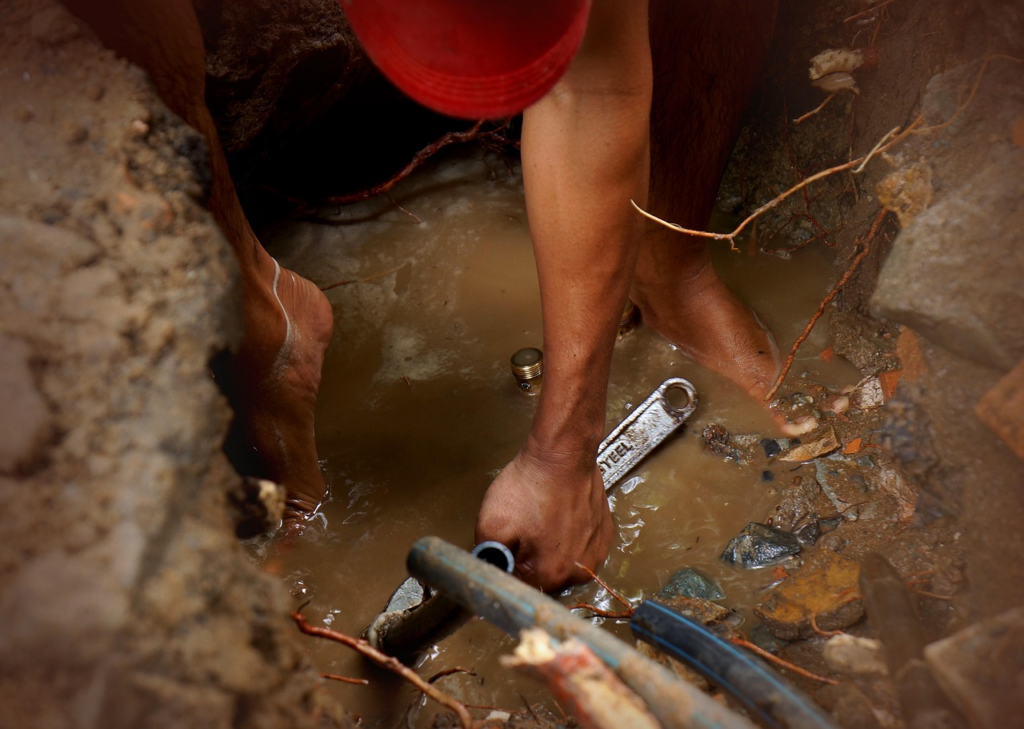
Want to avoid costly plumbing disasters?
Homeowners pay out thousands of pounds each year on emergency plumbing repairs that no one could have seen coming. But…
What if I told you most of them are preventable?
There are easy steps you can take to avoid leaks, burst pipes and water damage at your property. I’ll explain everything in this article.
Table of Contents
- Why Plumbing Problems Can Be So Expensive
- Common Causes of Plumbing Problems
- Costly Plumbing Repairs: 6 Prevention Tips
- Costly Plumbing Repairs: Call a Professional When…
- Bringing Everything Together
Why Plumbing Problems Can Be So Expensive
Leaks don’t just damage your pipes.
Leaks damage your bank account too.
Water damage resulting from plumbing failures makes up almost 23% of all home insurance claims (according to a 2025 study from the Insurance Information Institute). That’s higher than any other form of property damage except for wind and hail.
Whether it’s the materials needed to fix broken or worn pipes and fixtures, or the cost of water damage restoration. Plumbing problems can be expensive, really fast.
Fortunately…
Partnering with professional plumbing services means you can spot issues before they become serious. From preventative maintenance to emergency repairs, your local plumbers in Shropshire know how to find potential problems early. Preventative care keeps household budgets safe from costly disasters down the line.
The longer you leave to repair plumbing issues, the more money you’ll have to fork out. Don’t wait for problems to get worse and costs to escalate.
Common Causes of Plumbing Problems
The best way to stop problems from happening is to know what causes them.
Here are the most common reasons for plumbing damage…
Old Pipes
As your plumbing system ages, the pipes start to wear out. Rust accumulates on the inside. Fixtures weaken along joins and connections. It doesn’t take long for things to start going wrong.
If your home was built pre-1960’s you may still have original galvanised steel piping. These old pipes are prone to rusting on the inside, which causes reduced water pressure. Not to mention unsightly rusty water coming from your taps. And can cause leaks.
Frozen Pipes
If the weather drops below freezing, anything exposed to the elements is susceptible to freezing. When water freezes, it expands.
Lots and lots of pressure gets built up inside that pipe.
Hours later you could have cracked or burst pipes flooding your home with hundreds of gallons of water.
Clogged Drainage
Stop running to the bathroom every time you flush! Blocked drains are one of the most common plumbing problems. Debris from hair, grease, food bits and soap scum all clog together to create stubborn blockages.
Over time these obstructions put pressure on your pipes. Leading to further damage and even backups.
Broken Appliances
Want another number? Approximately 65% of plumbing failures are caused by corrosion and freezing issues. Two things that are easily prevented by hiring a professional once per year.
Water heaters, washing machines and dishwashers can also cause havoc when they break. Faulty seals and worn tubing lead to leaks…and leaks lead to water damage.
Costly Plumbing Repairs: 6 Prevention Tips
Need some solutions?
Check out my top tips for avoiding unnecessary plumbing repairs…
1. Annual Inspections
I can’t stress this enough. Have your plumbing inspected at least once every year.
Your plumber will inspect your fixtures, pipes and fittings for:
- Leaks under sinks and behind walls
- Corrosion or weakening pipes
- Damaged seals or connections
- Water heater sediment
You get the idea.
Two trained eyes are better than one. A professional plumber has experience finding problems you would’ve never known existed.
2. Water Shut-Off Valve
Do you know where your water shut-off valve is?
Your plumbing’s water shut-off valve should be accessible in your home. And you should know how to use it!
In the event of an emergency, every second counts.
Being able to turn off your main source of water can save you tons of money in water damage. Ensure all members of the household know where it is too.
3. Pipes From Freezing
Take precautions to prevent water freezing in exposed pipes. Especially if they’re located in unheated areas like garages, crawl spaces and attics.
Heat tape and foam pipe insulation aren’t expensive. And they could save you from a burst pipe flooding your home.
4. Monitor Your Drains
Your drains aren’t garbage disposals!
Don’t pour grease or oil down your kitchen sinks. Rinse coffee grounds, food scraps and egg shells into the trashcan instead.
Place drain covers on your showers and baths to prevent hairs from clogging your drains.
5. Replace Weak Connections
Rubber washing machine hoses and water heater connections don’t last forever.
Most suggest replacing water supply hoses to appliances every 5 years. Don’t wait for it to burst! Upgrade old rubber hoses to braided stainless steel now.
6. Check Your Water Bill
Spotted a sudden increase in your monthly water bill?
Leak detection can be as easy as following these steps.
- Shut off your appliances and check your water meter.
- Wait 2 hours without using any water in your home.
- Check your water meter again.
If the number has changed, you’re losing water somewhere. Call a plumber to take a look!
Costly Plumbing Repairs: Call a Professional When…
While there are plenty of plumbing issues you can prevent on your own. Certain things should be left to the professionals.
Call a local plumbing services provider if you experience:
- Burst pipes – The longer you wait, the more damage increases
- Sewage backups – Not safe for homeowners to mess with
- Loss of hot water – Could be your water heater malfunctioning
- Two or more slow drains – Often a problem with main line
- Low water pressure – Can indicate a serious problem
Licensed plumbers have specialized tools to help them detect the source of your problems. Trying to fix serious plumbing issues yourself can often do more damage.
Bringing Everything Together
Keeping your pipes safe from damage isn’t difficult. It just takes awareness.
Here’s your quick checklist…
- Get an annual inspection
- Know where your water shut-off valve is
- Keep pipes from freezing
- Avoid pouring these items down your drain
- Replace faulty hoses and connectors
- Review water bills for any hidden leaks
The cost of annual maintenance will pay for itself when you prevent a disaster. Be proactive about your plumbing and reduce the chances of costly repairs in the future.
Frequently Asked Questions
Should I get my plumbing checked annually?
Ideally, yes. Most plumbing service providers recommend at least one inspection per year.
What are the signs that I have a hidden leak?
Unexplained increases in your water bill, damp patches on walls or ceilings, musty odours and the sound of running water when all your taps are off.
Will a small leak cause significant damage?
Yes. Leaks can waste thousands of gallons of water per year. Not to mention growing mould and costing you extra on water bills.